
Water damage isn’t random. In Castle Rock, homes face several common risks that can lead to flooding, leaks, or moisture buildup. Understanding what triggers these problems helps you prevent bigger issues and act quickly when something goes wrong. In this guide, we’ll look at the main causes of water damage in Castle Rock homes, how the damage spreads, and what professional water damage restoration Castle Rock teams do to fix it.
Why Knowing the Causes Matters
Most homeowners don’t think about water damage until they see stains, a musty smell, or a wet patch on the wall. By that point, water has usually spread behind drywall, under flooring, or into insulation. Knowing the early warning signs and root causes can help you take action before minor issues turn into costly repairs.
It also helps you communicate more effectively with restoration contractors and insurance adjusters. When you understand the source, you’re more likely to get complete repairs rather than temporary fixes.
The Main Causes of Water Damage in Castle Rock Homes
Each of these causes shows up frequently in local restoration projects. Some are sudden, while others develop slowly over time.
Plumbing Leaks and Burst Pipes
Plumbing is one of the most common culprits. Pipes behind walls, under floors, or inside crawl spaces can corrode or weaken with age. In Castle Rock, freezing winter temperatures can cause pipes to expand, crack, and burst when they thaw. These leaks often go unnoticed for days, allowing water to soak into wood, drywall, and insulation before anyone spots the damage.
Appliance and Fixture Failures
Household appliances cause a surprising amount of water damage. Washing machines, dishwashers, ice makers, and water heaters all rely on pressurized lines and seals that can fail. Even a slow leak behind an appliance can ruin cabinets, floors, or drywall. Older homes are especially vulnerable because fittings and hoses degrade over time.
Roof Leaks and Flashing Failures
Roofs take the brunt of Castle Rock’s weather. Strong winds, hail, and heavy rain can damage shingles or loosen flashing around chimneys and vents. Once that barrier is compromised, rainwater finds its way into attics, insulation, and ceilings. By the time you notice a stain, the wood underneath may already be weakened.
Foundation Cracks and Basement Seepage
Water around your foundation is a serious threat. Poor grading, compacted soil, or clogged gutters can trap moisture next to the house. Pressure builds and forces water through small cracks in the concrete. Over time, this creates basement leaks, damp walls, or even foundation movement. In hillside areas of Castle Rock, this is especially common after heavy rain or snowmelt.
Storm Runoff and Flash Flooding
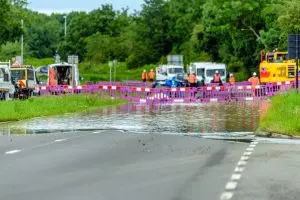
Castle Rock’s sloped terrain means water runs downhill quickly during storms. When gutters or downspouts fail, or when landscaping doesn’t direct water away, runoff can collect near the foundation and seep inside. Basements and lower-level rooms are most at risk during intense storms or rapid snowmelt events.
Sewer Backups and Drain Overflows
Few problems are as messy or hazardous as sewer backups. When local sewer systems become overwhelmed during storms, wastewater can flow backward through floor drains or toilets. These situations require immediate professional cleanup because the water often contains harmful bacteria and contaminants.
Irrigation and Sprinkler Problems
Automatic irrigation systems are convenient but can cause serious water damage if they malfunction. A broken sprinkler head or underground leak can send water toward the foundation instead of away from it. Over time, constant saturation leads to damp walls, cracks, or mold growth around the exterior base of the home.
Condensation and Humidity
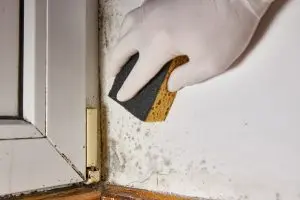
Not all moisture comes from leaks. High humidity or temperature swings can create condensation on windows, pipes, and uninsulated walls. Over time, this moisture feeds mold and weakens drywall and paint. In basements, crawl spaces, and attics, trapped humidity can quietly cause long-term damage.
Structural and Exterior Gaps
Water can also find its way through worn caulking, damaged siding, or gaps around doors and windows. As homes settle, small separations can open paths for rain to enter. Without proper sealing and maintenance, even light rainfall can cause moisture buildup inside wall cavities.
How Water Damage Spreads
Once water enters your home, it doesn’t stay in one spot. It moves downward through gravity and sideways through capillary action. Within hours, it can travel behind walls and under floors, reaching areas far from the original leak.
Moisture trapped inside materials like wood, drywall, and insulation promotes mold growth and weakens structural components. If untreated for more than a day or two, this hidden moisture can cause serious damage that requires extensive demolition and repair.
Local Factors That Make Castle Rock Homes Vulnerable
Castle Rock’s climate and soil add extra challenges. Cold winters and sudden temperature changes increase the risk of frozen pipes. The area’s clay-rich soil expands and contracts with moisture, which can create foundation stress. Many neighborhoods are built on slopes, making drainage even more critical during heavy rain.
These local factors explain why so many homeowners turn to Elite Restorers, professionals who understand the area’s conditions and provide tailored solutions for every type of water intrusion.
What Restoration Teams Do First
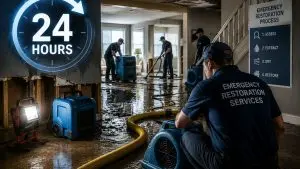
When professionals arrive, they start with a quick assessment and safety check. The goal is to stop the source, remove standing water, and prevent further damage. Here’s how they typically proceed:
- Inspection and Leak Detection – Identifying where water is coming from and how far it has spread.
- Water Extraction – Using pumps and vacuums to remove standing water fast.
- Drying and Dehumidification – Running air movers and industrial dehumidifiers to remove moisture.
- Cleaning and Disinfection – Sanitizing affected areas to prevent bacteria and mold growth.
- Structural Repair and Rebuilding – Replacing damaged drywall, flooring, insulation, and finishes.
- Final Testing – Measuring moisture levels and air quality before completion.
The goal isn’t just to dry what’s visible but to eliminate all hidden moisture so the damage doesn’t return later.
How to Catch Problems Early
Small warning signs can reveal bigger problems beneath the surface. Watch for these clues:
- Rising water bills with no clear reason
- Musty odors or damp air
- Peeling paint or warped flooring
- Water stains near windows or ceilings
- Mold or mildew on walls or in corners
- Pools of water near the foundation
- Bubbling drywall or soft spots on walls
If you notice any of these, call a restoration company immediately. Acting early often means the difference between a small repair and a full reconstruction.
Frequently Asked Questions
- Is water damage usually covered by insurance?
Most policies cover sudden incidents like burst pipes but exclude long-term leaks or poor maintenance. Always confirm with your insurance provider. - How soon should I start drying after a leak?
Immediately. Mold can begin growing within 24 to 48 hours. - Can I handle cleanup myself?
You can start removing standing water, but professionals have the tools to measure hidden moisture and prevent long-term damage. - What happens if water gets under my flooring?
Moisture trapped beneath flooring can warp materials, cause odor, and promote mold growth. Removal and drying are usually necessary. - How long does full restoration take?
Minor repairs may take a few days. Severe water damage can require weeks, especially if reconstruction is involved.
Conclusion
Water damage in Castle Rock homes has many causes, from burst pipes and roof leaks to poor drainage, foundation cracks, and humidity buildup. The key is recognizing these issues early and acting fast. When trouble strikes, water damage restoration Castle Rock specialists have the tools and experience to stop the source, dry the structure, and restore your home safely.
If you notice warning signs or suspect hidden leaks, reach out to Elite Restorers. Our team responds quickly, assesses every inch of damage, and restores your property from the ground up.
Don’t wait until it’s too late, Contact us today to protect your home from further damage and get expert help when you need it most.