

If you have lived in Littleton for more than a summer or two, you probably know how quickly Colorado weather can change. The sky can be clear and hot around midday, with storm clouds building over the foothills by afternoon and heavy rain arriving soon afterward.
Colorado’s summer monsoon season can bring fast-moving, high-intensity rainfall to the Front Range. When large amounts of rain fall within a short period, Littleton homeowners may suddenly find themselves dealing with standing water, flooded basements, overflowing window wells, or moisture entering through foundations.
Knowing what to do immediately after flooding — and when to call for professional water damage restoration in Littleton, CO — can help limit additional damage and get the drying process started safely.
Why Summer Storms Cause Water Damage in Littleton
Colorado’s summer monsoon pattern brings moisture into the region that can contribute to afternoon and evening thunderstorms along the Front Range.
The intensity of these storms can be particularly problematic after extended periods of hot, dry weather. When soil becomes dry and hard, it may not absorb a sudden burst of rain quickly enough.
Instead, water runs across the surface and can overwhelm:
- Storm drains
- Gutters and downspouts
- Window wells
- Sump pump systems
- Yard drainage
- Low-lying areas around foundations
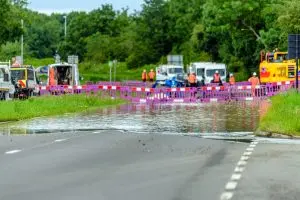
Littleton is also located near waterways including the South Platte River and Bear Creek, adding another potential source of flood concerns during periods of heavy rainfall.
However, a home does not have to be directly beside a river or creek to experience storm-related water damage. Street runoff, poor drainage, grading problems, overflowing window wells, and foundation vulnerabilities can all allow water to enter a property.
Where Water Commonly Enters Littleton Homes
Floodwater often finds the weakest or lowest points around a home rather than entering through an obvious opening.
Basements and Foundation Walls
Basements are particularly vulnerable because water naturally travels toward lower elevations.
During intense rainfall, water can enter through foundation cracks, gaps around penetrations, basement doors, or the joint where the foundation meets the slab.
Homes where the surrounding ground slopes toward the foundation may experience an increased amount of runoff collecting against the structure.
Window Wells
Window wells can fill quickly during heavy rain, particularly when their drains are blocked or unable to keep up with the volume of water.
Once the water rises high enough, it may leak around the basement window or enter directly into the home.
Sump Pump Problems
A sump pump that performs normally during ordinary rainfall can sometimes struggle during an unusually heavy storm.
Power outages can create another problem. If severe weather knocks out electricity and the sump pump does not have backup power, water can accumulate at exactly the time the system is needed most.
Gutters, Downspouts, and Poor Drainage
Clogged gutters and improperly positioned downspouts can send large amounts of roof runoff directly toward the foundation.
Poor yard grading can make the situation worse by directing water toward the house instead of allowing it to drain away.
What to Do Immediately After Water Damage
Your first priority after flooding should always be safety.
Stay Away From Standing Water Near Electrical Systems
Do not enter a flooded basement or room if there is any possibility that outlets, wiring, appliances, or an electrical panel have been affected.
Water and electricity are a dangerous combination.
If you are unsure whether electricity has been safely disconnected from the affected area, stay out and contact a qualified professional. Never walk through standing water to reach an electrical panel.
Treat Outdoor Floodwater as Potentially Contaminated
Water entering from streets, yards, storm drains, rivers, or other outdoor sources can contain contaminants.
Avoid unnecessary contact with floodwater and keep children and pets away from affected areas.
Stop an Internal Water Source When Possible
Not every flooded home is caused exclusively by storm runoff.
If the water is coming from a plumbing failure and the source can be shut off safely, stopping the flow can help prevent additional damage.
Protect Belongings When It Is Safe
If conditions are safe, move furniture, electronics, valuables, and other belongings away from wet areas.
The less time materials remain in contact with water, the greater the possibility that some items can be cleaned, dried, or restored.
Document the Damage
Before significant cleanup begins, photograph or record video of the affected areas when it is safe to do so.
Capture:
- Standing water
- Water lines
- Damaged flooring and walls
- Wet furniture and belongings
- The apparent source or entry point
- Other visible structural damage
Documentation may be important when speaking with your insurance provider.
Contact a Water Damage Restoration Company
For significant flooding, professional water damage restoration in Littleton, CO should begin as soon as safely possible.
Standing water is only part of the problem. Moisture can migrate beneath flooring, behind baseboards, into drywall, and throughout other building materials where it may not be immediately visible.
Why Fast Water Damage Cleanup Matters
Water damage can become more extensive the longer materials remain wet.
Drywall, insulation, carpeting, wood, subflooring, and other porous materials can absorb moisture. As water travels deeper into these materials, drying and restoration may become increasingly involved.
Wood can warp or swell, drywall can deteriorate, and flooring materials can separate or become damaged.
Another challenge is that visible water does not necessarily show the full extent of the problem.
Water follows the path of least resistance. It can travel behind walls, underneath flooring, and into adjoining areas that appear dry from the surface.
Professional moisture detection can help determine how far the water has traveled so the drying process addresses more than just the obvious standing water.
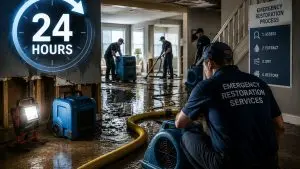
What Professional Water Damage Restoration Involves
Professional water damage restoration typically involves several stages, although the exact process depends on the source of the water, level of contamination, materials affected, and how long the water has been present.
Inspection and Damage Assessment
The first step is determining where the water originated and how far moisture has spread.
Restoration professionals can inspect visible damage and use moisture-detection equipment to evaluate materials and areas where water may be hidden.
This helps establish an appropriate drying and restoration plan for the property.
Water Extraction
When standing water is present, extraction equipment is used to remove it from affected areas.
Removing excess water efficiently helps prepare the property for structural drying and reduces the amount of moisture that must be removed from building materials afterward.
Drying and Dehumidification
After standing water has been extracted, professional air-moving and dehumidification equipment may be used to remove remaining moisture from the environment and affected materials.
Drying can involve flooring, drywall, framing, subflooring, and other structural materials depending on where the water traveled.
Moisture Monitoring
A room can appear dry while materials underneath or behind visible surfaces still contain elevated moisture.
Moisture readings can be taken throughout the drying process to monitor progress and help determine when affected materials have reached appropriate drying goals.
Removal of Unsalvageable Materials
Depending on the severity and type of water damage, some materials may not be appropriate to dry and retain.
Wet insulation, carpet padding, drywall, or other materials may need to be removed when contamination or damage makes restoration impractical.
The appropriate approach depends on the conditions inside the individual home rather than a one-size-fits-all cleanup process.
Can You Dry Water Damage Yourself?
For a very small amount of clean water caught quickly, homeowners may sometimes be able to manage drying themselves.
Significant flooding is different.
Household fans, towels, and shop vacuums may remove visible moisture but cannot necessarily determine whether water remains beneath flooring, behind walls, or inside other porous building materials.
The concern is not simply whether a surface feels dry. The goal is to determine whether affected materials have actually dried sufficiently.
Professional water damage restoration uses specialized extraction, drying, dehumidification, and moisture-monitoring equipment to address water that may have traveled beyond what you can see.
Water Damage Restoration vs. Flood Damage Cleanup
Although the terms are often used interchangeably, the source of the water can make a significant difference.
Water damage can come from many sources, including:
- Burst or leaking pipes
- Appliance failures
- Plumbing backups
- Roof leaks
- Sump pump failures
- Heavy rain
- Storm runoff
- Flash flooding
Water entering from outside after contacting the ground can present different contamination and insurance considerations than clean water from an internal plumbing source.
Identifying where the water originated is therefore an important part of determining the appropriate cleanup process.
Water Damage and Mold Concerns
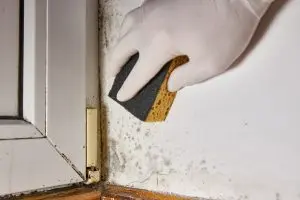
One reason prompt drying is important after water damage is that prolonged moisture can create conditions that support microbial growth.
Areas behind drywall, underneath flooring, around baseboards, and inside other enclosed spaces can remain damp even after visible water has disappeared.
The goal after a flood is not simply to remove standing water but to thoroughly dry affected materials and identify areas where moisture may remain trapped.
If water has been sitting for an extended period or there are signs of microbial growth, the restoration plan may need to address those conditions separately.
Documenting Water Damage for Insurance
Insurance coverage depends on the source of the water and the terms of your individual policy.
Standard homeowners policies often distinguish between certain types of sudden internal water damage and flooding caused by water entering from outside after contacting the ground.
Because policies vary, homeowners should contact their insurance provider directly to determine what is covered.
Regardless of coverage, good documentation can be helpful.
Photograph and record affected areas before significant cleanup begins when possible. Keep notes about when the storm or water loss occurred, where water entered, and which areas of the home were affected.
Save receipts for emergency services, temporary repairs, cleanup expenses, and other costs associated with the damage.
A professional restoration company can also document the condition of the property and the work performed, while the insurance carrier ultimately determines coverage under the policy.
How to Reduce Your Risk Before the Next Littleton Storm
Colorado’s summer storms are unavoidable, but homeowners can take steps to reduce the likelihood of water entering their property.
Check the grading around your home and make sure the ground directs water away from the foundation rather than toward it.
Keep gutters and downspouts clear of leaves and debris, and make sure downspouts discharge water away from the foundation.
If your home has basement window wells, inspect the covers and keep the drains clear.
Sump pumps should also be tested periodically. Homeowners who experience frequent power outages during thunderstorms may want to consider whether a backup power system is appropriate for their property.
Regularly checking these systems before severe weather arrives is much easier than discovering a problem after water has already entered the basement.
Water Damage Restoration in Littleton, CO
When water enters your home, removing what you can see is only part of the restoration process.
Water can move beneath flooring, behind walls, into drywall, and through other building materials. Determining where moisture has traveled and properly drying affected areas can help prevent a relatively contained water loss from becoming a much larger restoration project.
Elite Restorers provides water damage restoration in Littleton, CO, for homeowners dealing with storm damage, flooded basements, plumbing failures, and other water-related emergencies.
If your Littleton home has standing water or you are concerned about moisture hidden inside walls, flooring, or other building materials, contact Elite Restorers for an assessment and guidance on the appropriate next steps.
Frequently Asked Questions About Water Damage Restoration
How quickly should water damage restoration begin?
Water damage should generally be addressed as soon as it is safe to do so. The longer building materials remain wet, the more opportunity water has to spread into drywall, flooring, insulation, wood, and other porous materials.
The exact urgency and restoration process depend on the source, amount, and type of water involved.
How do I know if water has gotten behind my walls?
Signs can include staining, bubbling or peeling paint, swollen baseboards, soft drywall, or a musty odor. However, hidden moisture is not always visible.
Professional moisture-detection equipment can help identify elevated moisture inside materials and areas that appear dry from the surface.
Can I use fans to dry a flooded basement?
Household fans may help with very minor water exposure, but they are not a substitute for professional extraction, dehumidification, and moisture monitoring after significant flooding.
Water may remain underneath flooring, inside walls, or in other materials even when the surface appears dry.
Does water damage always lead to mold?
No. Water damage does not automatically mean mold will develop. However, leaving building materials wet for an extended period can create conditions that support microbial growth.
Prompt water removal and thorough drying are important for reducing the amount of time materials remain damp.
Does homeowners insurance cover water damage from a Colorado storm?
Coverage depends on the source of the water and your specific insurance policy.
Water entering from outside after contacting the ground, such as flash flooding or surface runoff, is generally treated differently from certain sudden internal water losses. Flood coverage may require a separate policy.
Contact your insurance provider directly to determine how your particular loss is covered.