
You do not have to live next door to a wildfire to experience smoke damage in your home. Across the Front Range, including Littleton, wildfire smoke can drift in from fires burning in the foothills, elsewhere in Colorado, or even hundreds of miles away.
When smoke settles over a neighborhood for an extended period, fine particles and odors can make their way indoors. Even after outdoor conditions improve, homeowners may be left with persistent smoke odors, ash residue, soot, or indoor air quality concerns.
Understanding how wildfire smoke enters your home, where damage commonly occurs, and when to consider professional smoke damage restoration in Littleton, CO can help you respond appropriately during fire season.
How Wildfire Smoke Gets Into Littleton Homes
Littleton’s proximity to Colorado’s foothills makes wildfire smoke an ongoing seasonal concern. Dry conditions, wind, and wildfire activity throughout the Front Range can affect communities even when flames never come close to individual properties.
Smoke and fine ash particles can travel significant distances on wind currents. During a heavy smoke event, they may settle over the Denver metro area for days.
Homes are not completely airtight. Smoke particles may enter through:
- Gaps around doors and windows
- Attic and roof vents
- Small openings in the building envelope
- HVAC and ventilation systems
- Frequently opened exterior doors
HVAC systems can be particularly important during prolonged smoke events because particles may collect in filters, ductwork, and other components.
This is why homeowners may notice a smoky odor indoors or fine ash around windowsills and other surfaces even though their property was never directly exposed to a fire.
Common Signs of Smoke and Ash Damage
Smoke damage is not always immediately visible. In some homes, odor is the first indication that smoke particles have made their way indoors.
Lingering Smoke Odors
Fabric and other porous materials readily absorb odors. Curtains, upholstered furniture, carpeting, mattresses, and bedding can hold onto smoke particles after outdoor air quality has improved.
A persistent odor that returns after normal cleaning may indicate that smoke residue remains in porous materials or less accessible areas.
Smoke in HVAC Systems
If your heating or cooling system operates during a significant smoke event, particles can collect in filters and potentially other parts of the system.
Once contaminated, the system may contribute to lingering odors when it runs.
If a smoky smell becomes noticeably stronger when your HVAC system turns on, further inspection may be warranted.
Ash and Soot Residue
Areas around windows, doors, vents, and other openings may collect a fine layer of ash or soot.
Light residue can sometimes resemble ordinary household dust, making smoke contamination easy to overlook.
Odors in Porous Building Materials
Wood, cabinetry, drywall, carpeting, and other porous materials can absorb smoke odors, particularly when exposure occurs repeatedly throughout wildfire season.
More significant smoke exposure may also leave discoloration or staining on walls, ceilings, and other surfaces.
What to Do After Wildfire Smoke Affects Your Home
If you notice visible ash, persistent smoke odors, or other signs of contamination, use caution when beginning cleanup.
Check Outdoor Air Quality Before Ventilating
Opening windows while wildfire smoke is still affecting outdoor air can introduce additional particles into the home.
Wait until outdoor air quality has improved before ventilating the property. During active smoke advisories, keeping windows and doors closed and relying on appropriate indoor filtration may be preferable.
Replace Your HVAC Filter
After a significant smoke event, check your HVAC filter and replace it when necessary.
Higher-efficiency filtration can capture smaller airborne particles, but homeowners should use a filter compatible with their HVAC system rather than installing one the equipment cannot properly accommodate.
Avoid Spreading Ash
Dry sweeping or using inappropriate vacuum equipment can disturb fine ash and send particles back into the air.
When dealing with ash, take precautions to minimize airborne dust. Larger amounts of residue or contamination in difficult-to-access areas may be better handled professionally.
Be Careful With Hidden Areas
Attics, crawlspaces, ductwork, and other enclosed areas can be difficult to inspect and clean thoroughly.
Aggressive DIY cleaning in these spaces can potentially spread contamination rather than remove it. If you suspect significant smoke or soot has reached hidden areas of your home, a professional assessment can help determine the extent of the problem.
When Smoke Damage Requires Professional Restoration
A brief period of light wildfire smoke does not automatically mean a home requires professional restoration. In some cases, replacing filters, carefully cleaning affected surfaces, and ventilating once outdoor air improves may be enough.
However, professional smoke damage restoration in Littleton, CO may be appropriate when:
- Smoke odors persist after normal cleaning and ventilation
- Visible soot or ash is present throughout the home
- Odors return whenever the HVAC system operates
- Smoke has affected carpeting, upholstery, drywall, or other porous materials
- Contamination may have reached attics, crawlspaces, or ductwork
- A nearby fire caused heavier smoke or soot exposure
- Fire directly affected part of the structure
Smoke residue can be difficult to remove because particles and odors may settle into materials rather than remaining only on visible surfaces.
Addressing the problem early can also prevent homeowners from repeatedly cleaning surfaces without addressing the underlying source of the odor.
What Professional Smoke Damage Restoration Can Involve
Professional smoke damage cleanup begins by determining where smoke, soot, and odors have traveled throughout the property.
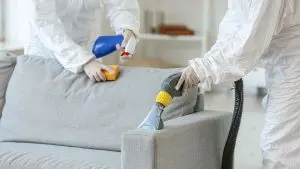
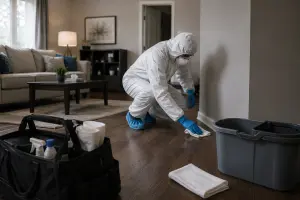
The restoration process may include inspection of affected areas, cleaning smoke and soot residue from surfaces, addressing contaminated porous materials, evaluating HVAC-related concerns, and using professional odor-removal techniques.
The exact restoration process depends on the type and severity of the damage.
A home affected by drifting wildfire smoke, for example, may require a very different approach from a property where a structure fire produced heavy soot and smoke throughout multiple rooms.
Professional restoration is intended to address the source of smoke odors and residue rather than simply covering them with fragrances or household deodorizers.
Wildfire Smoke Damage vs. Structural Fire Damage
It is important to distinguish between wildfire smoke that drifts into a home and smoke damage caused by a fire directly affecting the property.
Wildfire smoke exposure may primarily involve airborne particles, ash, odors, and contamination of porous surfaces.
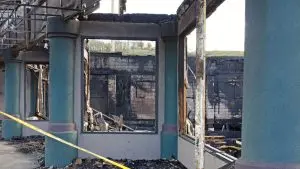
A structural fire can create significantly heavier soot deposits and may involve damage from flames, heat, firefighting water, and burned synthetic materials.
When a property experiences direct fire and smoke damage, restoration is typically more extensive and may require multiple stages of cleanup, repair, and reconstruction.
Why Timely Smoke Damage Cleanup Matters
Smoke odors and residue can become increasingly difficult to address once they settle into porous materials.
Repeated wildfire smoke events can also compound the problem. One smoky day may cause relatively minor indoor effects, while repeated exposure throughout the summer can contribute to lingering odors and accumulated residue.
If smoke odors remain after outdoor conditions have returned to normal and basic cleaning has been completed, identifying the source sooner can make it easier to determine what additional restoration is necessary.
Documenting Smoke Damage for Insurance
Homeowners insurance coverage for wildfire smoke damage varies by policy and circumstances.
If you believe your home has sustained significant smoke damage, contact your insurance provider to understand your coverage before assuming restoration costs will be reimbursed.
Before beginning significant cleanup, document visible conditions whenever it is safe to do so.
Take photographs or video of:
- Visible ash or soot
- Staining or discoloration
- Damaged belongings
- Affected rooms and surfaces
It may also be helpful to record the dates of local smoke advisories or evacuation notices and keep receipts for filters, cleaning materials, temporary accommodations, or professional restoration services related to the event.
A restoration company can document the condition of your property and the work performed, but your insurance provider ultimately determines whether a loss is covered under your policy.
How Littleton Homeowners Can Prepare for Wildfire Smoke
You cannot prevent wildfire smoke from reaching the Denver metro area, but you can take steps to reduce how much enters your home.
Monitor local air quality alerts during dry and windy periods, particularly in late summer and during active wildfire events. When smoke levels are elevated, keep windows and exterior doors closed as much as practical.
Keeping replacement HVAC filters available can also make it easier to respond after a prolonged smoke event. Portable air cleaners may provide additional filtration in bedrooms and frequently used living spaces.
Homeowners should also keep roofs, gutters, and areas surrounding the home clear of excessive dry leaves and combustible debris as part of broader wildfire preparedness.
For properties closer to the foothills west of Littleton, having an evacuation plan for household members, pets, medications, and important documents is also an important part of preparing for fire season.
Smoke Damage Restoration in Littleton, CO
A persistent smoke smell is more than something you have to cover with air freshener. It can indicate that smoke particles or residue remain somewhere in the home.
If you notice lingering odors, visible ash or soot, or signs that smoke may have entered your HVAC system or other difficult-to-access areas, Elite Restorers can assess the extent of the damage and recommend the appropriate next steps.
Elite Restorers provides smoke damage restoration in Littleton, CO, for homes affected by wildfire smoke as well as properties experiencing more significant fire and smoke damage.
If smoke or soot has affected your Littleton home, contact Elite Restorers to schedule an assessment and determine the appropriate restoration approach.
Frequently Asked Questions About Smoke Damage Restoration
Can wildfire smoke damage my Littleton home even if the fire is far away?
Yes. Smoke and fine ash particles can travel significant distances on wind currents. Because homes are not completely airtight, particles can enter through windows, doors, vents, small openings, and ventilation systems. This can result in lingering smoke odors or light ash residue even when flames never approach the property.
How do I know if I need professional smoke damage restoration?
Professional restoration may be appropriate when smoke odors persist after normal cleaning and ventilation, visible soot or ash remains throughout the home, odors appear to come from the HVAC system, or smoke has affected porous materials and difficult-to-access spaces.
Light smoke exposure may sometimes be addressed with normal cleaning, filtration, and ventilation after outdoor air quality improves. The appropriate response depends on the extent of the exposure.
Can smoke odors be permanently removed?
Smoke odors can often be removed, but successful treatment depends on locating and addressing the materials holding the odor. Smoke can penetrate carpeting, upholstery, wood, drywall, HVAC components, and other porous materials, which is why simply using air fresheners may only temporarily mask the problem.
How long does smoke damage restoration take?
The timeline depends on the extent of the smoke exposure, the size of the affected area, the materials involved, and whether there is additional fire or structural damage. A relatively light smoke contamination may require considerably less work than a home affected by a structure fire.
Will homeowners insurance cover wildfire smoke damage?
Coverage depends on the individual policy and circumstances surrounding the loss. Homeowners should contact their insurance provider directly to confirm coverage. Photographing visible damage and maintaining records of smoke advisories and restoration-related expenses can help document the loss.