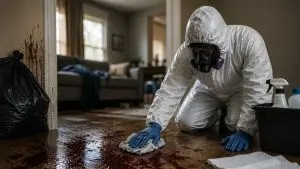

When a home, rental property, or business in Littleton experiences a traumatic event, the people affected may suddenly be responsible for a property containing blood, bodily fluids, or other potentially hazardous biological materials.
This can happen following an unattended death, serious accident, suicide, crime, or other traumatic event. Families and property owners should not have to handle potentially hazardous cleanup themselves while already dealing with an extremely difficult situation.
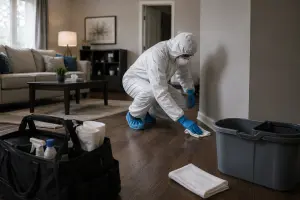
Professional crime scene cleanup in Littleton, CO is designed to safely address the physical aftermath of these events. The process can include biohazard containment, removal of contaminated materials, cleaning and disinfection, odor control, and preparation of the affected space for any additional restoration that may be necessary.
Understanding what happens before, during, and after professional cleanup can make the next steps a little clearer during an otherwise overwhelming time.
What Crime Scene and Biohazard Cleanup Covers
Crime scene cleanup is a specialized form of biohazard remediation used when blood, bodily fluids, or other potentially hazardous biological materials are present.
Situations that may require professional cleanup include:
- Unattended or undiscovered deaths
- Crime scenes
- Suicides
- Serious accidents or injuries
- Blood and bodily fluid contamination
- Trauma scenes
- Certain hoarding environments involving biological contamination
These situations are very different from ordinary property damage or routine cleaning.
Following a burst pipe, for example, the primary concern may be removing water and drying building materials. After a traumatic event, biological contamination can create hazards that require specific protective equipment, cleaning procedures, containment practices, and disposal methods.
A surface may also appear clean while contamination remains in porous materials, beneath flooring, behind baseboards, or in other less visible areas.
For that reason, professional biohazard cleanup focuses on making the affected environment safe rather than simply making it look clean.
Why Crime Scene Cleanup Requires Specialized Training
Cleaning blood and bodily fluids is not comparable to ordinary residential or commercial cleaning.
These materials can potentially expose people to bloodborne pathogens and other biological hazards. Safe remediation therefore requires appropriate procedures, personal protective equipment, cleaning and disinfection methods, and handling of contaminated waste.
Professional biohazard technicians are trained to evaluate these environments and determine which materials can be cleaned and which may need to be removed.
They also understand how to perform the work while reducing the potential for cross-contamination into unaffected areas of the property.
Proper Personal Protective Equipment
Depending on the circumstances, technicians may use specialized gloves, protective clothing, respiratory protection, eye protection, and other equipment appropriate for the work being performed.
The purpose is to protect both the technicians completing the remediation and the surrounding environment.
Containment and Cross-Contamination Control
Disturbing contaminated materials without proper precautions can potentially spread biological material beyond the original affected area.
Containment procedures help establish a controlled work area and separate it from unaffected portions of the property.
Biohazard Waste Handling
Materials contaminated with blood or bodily fluids cannot always be handled like ordinary household waste.
Professional remediation companies follow applicable requirements for containing, transporting, and disposing of biohazardous materials.
This is another important distinction between professional crime scene cleanup and hiring a standard cleaning or handyman service.
What Happens Before Crime Scene Cleanup Can Begin?
When a death or crime is involved, cleanup generally cannot begin immediately.
Law enforcement, the coroner, medical examiner, or other appropriate authorities may need access to the property while completing their work.
The scene should be formally released before remediation begins.
Do not attempt to clean, move contaminated materials, or otherwise disturb an active scene before receiving confirmation that the property has been released.
Once the appropriate authority has released the scene, a professional crime scene cleanup company can assess the property and determine what remediation is required.
If you are unsure whether cleanup can begin, contact the law enforcement agency or other official point of contact involved with the property.
What Professional Crime Scene Cleanup Involves
No two trauma or crime scenes are identical.
The cleanup process depends on what occurred, how much of the property was affected, which materials were contaminated, and how long the contamination was present.
However, professional crime scene cleanup in Littleton, CO generally involves several important stages.
1. Assessment of the Affected Area
The first step is determining the extent of the contamination.
Technicians evaluate affected rooms, surfaces, flooring, furnishings, and building materials to determine where remediation is necessary.
The assessment also helps identify contamination that may have travelled beyond immediately visible areas.
2. Establishing Containment
The affected area may be isolated from the rest of the property to help prevent cross-contamination during remediation.
A controlled work zone allows technicians to remove contaminated materials and perform cleaning procedures while limiting unnecessary movement through unaffected spaces.
3. Removing Contaminated Materials
Some contaminated materials can be cleaned and disinfected. Others may need to be removed.
Porous materials such as certain flooring, drywall, insulation, carpeting, furniture, or other absorbent materials may retain biological contamination and may not always be appropriate to salvage.
When removal is necessary, affected materials are carefully contained and handled according to applicable biohazard waste requirements.
4. Cleaning and Disinfection
After unsalvageable materials have been removed, affected surfaces are thoroughly cleaned and disinfected using products and procedures appropriate for the type of contamination involved.
Professional remediation goes beyond wiping down visible surfaces.
Depending on the circumstances, technicians may need to address subflooring, wall cavities, fixtures, or other areas where contamination has travelled.
5. Odor Control
Odor can become a significant concern following certain traumatic events, particularly when a death remained undiscovered for an extended period.
Professional odor treatment focuses on identifying and addressing the contaminated materials responsible for the odor rather than simply covering the smell with fragrances.
If odor remains after surface cleaning, additional affected materials or areas may need attention.
6. Preparing the Property for Restoration
Biohazard remediation and structural restoration are not always the same step.
After contaminated materials have been removed and affected areas cleaned, portions of the property may require new drywall, flooring, paint, cabinetry, or other repairs.
The amount of restoration required depends entirely on how much material had to be removed during remediation.
Crime Scene Cleanup vs. Regular Cleaning
It is understandable to wonder whether a professional cleaning company can handle a situation involving blood or bodily fluids.
However, crime scene cleanup involves considerations that extend beyond normal cleaning.
A traditional cleaning service is generally focused on removing ordinary dirt, dust, stains, and household contaminants.
Biohazard remediation may involve:
- Potential exposure to bloodborne pathogens
- Specialized personal protective equipment
- Controlled work areas
- Cross-contamination prevention
- Removal of contaminated building materials
- Specialized cleaning and disinfection
- Biohazard waste handling and disposal
- Odor remediation
The objective is not simply to make the property appear clean. It is to address potentially hazardous contamination so the affected area can move toward safe occupancy and restoration.
Unattended Death Cleanup
An unattended or undiscovered death can create particularly complicated cleanup conditions when a person is not found immediately.
Over time, biological materials and odors may affect flooring, subflooring, furniture, drywall, or other porous building materials.
In these situations, surface cleaning alone may not adequately address the affected area.
Professional unattended death cleanup involves assessing how far contamination has travelled, removing materials that cannot be safely restored, cleaning and disinfecting affected areas, and addressing remaining odors.
Families should not feel responsible for performing this work themselves. A professional biohazard cleanup company can manage the physical cleanup while family members focus on the other responsibilities surrounding the loss.
Trauma and Blood Cleanup
Not every biohazard cleanup involves a crime or death.
Serious accidents and injuries can also leave blood or bodily fluids on floors, walls, furniture, or other materials in homes, businesses, vehicles, and other environments.
Even when the affected area appears relatively small, biological contamination should be handled carefully.
The appropriate cleanup depends on the amount of contamination, the materials affected, and whether fluids have reached porous or hidden areas.
Discretion and Compassion During Biohazard Cleanup
Technical skill is only one part of providing crime scene and trauma cleanup appropriately.
Families, property owners, landlords, and employees may be dealing with grief, shock, stress, or difficult circumstances surrounding the event.
A professional biohazard remediation team should communicate clearly, protect the privacy of those involved, and avoid creating unnecessary attention around the property.
Clients should also receive straightforward information about what needs to be cleaned, which materials may need to be removed, what restoration could be required afterward, and what to expect throughout the process.
Compassion and discretion are not extras in this type of work. They are fundamental parts of providing the service respectfully.
Who Should You Call After a Crime or Traumatic Event?
If an emergency or potentially criminal event has just occurred, contact the appropriate emergency services first.
Do not enter or disturb an active scene.
When law enforcement or other authorities are involved, wait until the scene has been officially released before arranging cleanup.
Once the property has been released, contact a professional biohazard or crime scene cleanup provider.
If the property is rented or commercially managed, the property owner or management company may also need to be contacted.
You may also want to notify your insurance provider. Coverage for biohazard or trauma cleanup varies by policy and circumstances, so your insurer is the appropriate source for determining whether coverage applies.
Does Insurance Cover Crime Scene Cleanup?
Homeowners, renters, or commercial property insurance may provide coverage for certain biohazard cleanup expenses depending on the policy and circumstances of the event.
However, coverage is not guaranteed.
If you plan to make a claim, document the affected property when appropriate and safe to do so, and keep records of professional cleanup and restoration expenses.
Contact your insurance provider directly for information about coverage, deductibles, documentation requirements, and the claims process associated with your specific policy.
A restoration company can provide documentation of the work performed but cannot determine whether your insurer will approve coverage.
Crime Scene Cleanup in Littleton, CO
Facing the aftermath of a traumatic event can be overwhelming. Handling potentially hazardous biological contamination should not have to become another burden for a family, property owner, landlord, or property manager.
Elite Restorers provides professional crime scene cleanup in Littleton, CO, including biohazard and trauma cleanup for residential and commercial properties.
The cleanup process is approached with safety, discretion, and respect for everyone affected by the situation.
Once law enforcement or the appropriate authorities have released the property, contact Elite Restorers to discuss what happened, have the affected area assessed, and understand the next steps for safely restoring the space.
Frequently Asked Questions About Crime Scene Cleanup
Who cleans a crime scene after the police leave?
Property owners or responsible parties typically arrange for a professional biohazard or crime scene cleanup company after law enforcement has completed its work and released the scene.
Police and other emergency responders generally do not perform the property’s remediation and restoration.
When can crime scene cleanup begin?
Cleanup should begin only after law enforcement or the appropriate authority has formally released the scene.
If you are uncertain whether the property has been released, contact the law enforcement agency or official point of contact involved with the incident before arranging remediation.
Can a regular cleaning company clean up blood?
Blood and bodily fluids can present biological hazards that require appropriate protective equipment, cleaning and disinfection procedures, and waste handling.
For significant contamination or situations involving a crime, death, or traumatic event, a company experienced in professional biohazard remediation is the appropriate choice.
How long does crime scene cleanup take?
The timeline varies significantly depending on the size of the affected area, type and extent of contamination, materials involved, and whether contaminated building materials need to be removed.
A professional assessment is generally necessary before an accurate scope or timeline can be established.
Does insurance cover crime scenes or biohazard cleanup?
Some homeowners, renters, or commercial property policies may provide coverage depending on the circumstances and policy terms.
Because coverage varies, contact your insurance provider directly to determine what your policy covers and what documentation may be required.