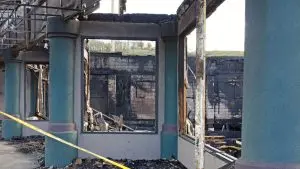


Most homeowners do not think about fire code requirements until something forces the issue, whether that is a home inspection, an insurance renewal, or a fire that reveals a gap in the home’s protection. By then, it is often too late to make changes that could have limited the damage.
Understanding the basic fire safety requirements that apply to residential properties in Littleton can help homeowners spot gaps before an inspector, insurer, or worse, a fire does it for them. Many of these requirements are straightforward once you know what to look for.
This article covers the general categories of fire safety regulations for homes in Littleton, CO, common areas where homes fall short, and how proper fire safety measures relate to fire damage recovery if the worst happens.
Why Fire Safety Regulations Exist for Homes
Residential fire codes are designed to reduce the likelihood of a fire starting, slow its spread if one does occur, and give occupants enough time to safely exit the home. These requirements typically address smoke detection, escape routes, and certain construction and equipment standards.
Requirements can vary based on the age of a home, whether it has been renovated, and local building code adoption. Homeowners should check with the City of Littleton or Arapahoe and Jefferson County building departments, depending on the property’s exact location, to confirm current requirements for their specific home.
Homes that were built decades ago were often permitted under an earlier version of the fire code and may not automatically meet current requirements. A renovation, an addition, or a change in occupancy can sometimes trigger a requirement to bring certain fire safety features up to current standards, so it is worth checking rather than assuming an older home is exempt.
Smoke Alarm Requirements
Smoke alarms are one of the most consistently enforced fire safety requirements for residential properties. Most jurisdictions require smoke alarms in specific locations throughout the home, and the details matter more than many homeowners realize.
Where Smoke Alarms Are Typically Required
Requirements generally call for a smoke alarm inside each bedroom, outside each sleeping area, and on every level of the home, including basements. Homes with multiple stories often need alarms interconnected so that one triggering sounds all of them.
How Often Smoke Alarms Should Be Tested and Replaced
Smoke alarms should be tested regularly, with batteries replaced as needed, and the entire unit replaced according to the manufacturer’s recommended lifespan, which is often around ten years. An alarm that fails during an actual fire defeats the purpose of having one installed.
Carbon Monoxide Detector Requirements
Many jurisdictions, including areas in Colorado, require carbon monoxide detectors in homes with fuel burning appliances, an attached garage, or a fireplace. These requirements often mirror smoke alarm placement rules, with detectors required near sleeping areas.
Carbon monoxide detection is a separate requirement from fire detection, and homes need both types of coverage rather than assuming a smoke alarm covers carbon monoxide risks as well.
Egress and Exit Requirements
Fire codes also address how occupants get out of a home during an emergency. This includes requirements for bedroom windows to serve as an emergency exit, minimum window sizes for egress, and keeping exit paths clear of obstructions.
Basement bedrooms are a common area where homes fall short of egress requirements, particularly in older properties that were finished without a permit or before current code requirements applied. If your basement includes a bedroom, it is worth confirming the window meets current egress size and accessibility standards.
Common Areas Where Homes Fall Short of Fire Code
A number of fire safety gaps show up repeatedly during home inspections. Being aware of these can help homeowners address issues proactively rather than during a stressful sale or after a loss.
- Missing or non functioning smoke alarms in required locations
- Basement bedrooms without a properly sized egress window
- Blocked or cluttered exit paths, particularly in basements and garages
- Extension cords used as permanent wiring solutions
- Improperly stored flammable materials near heat sources
- Fire extinguishers that are expired or missing entirely
Addressing these issues does not require major renovation in most cases, but it does require an honest look at the property.
How Fire Safety Regulations Relate to Insurance and Recovery
Insurance companies sometimes ask about smoke alarm compliance, egress requirements, and other fire safety details when underwriting a policy or investigating a claim. A home that was clearly out of compliance with basic fire safety requirements may face additional scrutiny after a loss.
Meeting fire safety requirements also affects how a fire unfolds in the first place. Interconnected smoke alarms that alert occupants sooner, and exit paths that are not blocked, both increase the chances that occupants get out safely and that a fire is caught before it spreads throughout the home.
What to Do if a Fire Happens Despite Precautions
Even homes that meet every fire safety requirement can still experience a fire. If that happens, the priority shifts from prevention to safely exiting the home and, once it is safe to do so, addressing the aftermath with a professional fire damage recovery process.
Our team at Elite Restorers works with Littleton homeowners after a fire to assess smoke, soot, and water damage from firefighting efforts, and to walk through what a recovery and repair process would involve for the specific situation.
Frequently Asked Questions
Where are smoke alarms required in a Littleton home?
Most requirements call for a smoke alarm inside each bedroom, outside each sleeping area, and on every level of the home, including the basement. Multi-story homes often need alarms interconnected so all of them sound together.
Do I need a carbon monoxide detector in my home?
If your home has fuel burning appliances, a fireplace, or an attached garage, a carbon monoxide detector is typically required, usually near sleeping areas similar to smoke alarm placement. Check with local building authorities to confirm requirements for your specific property.
What is an egress window and why does it matter?
An egress window is a window large enough and positioned to allow occupants to escape during an emergency, and it is required for basement bedrooms in most jurisdictions. Homes with a below-grade bedroom that lacks a proper egress window may not meet current fire safety code.
Can outdated fire safety features affect my homeowners insurance?
They can. Insurance companies may ask about smoke alarm compliance and other fire safety details, and a home that is significantly out of compliance could face additional scrutiny, particularly after a fire-related claim.
What should I do if my home does not meet current fire safety requirements?
Address the specific gaps, such as installing missing smoke alarms or clearing blocked exit paths, and consult your local building department if you are unsure whether a change like a basement bedroom egress window requires a permit.
Final Thoughts on Fire Safety Regulations in Littleton, CO
Meeting basic fire safety requirements, from properly placed smoke alarms to clear egress paths, gives a Littleton home its best chance of limiting damage and keeping occupants safe if a fire does occur. Reviewing these requirements periodically, especially after a renovation or home purchase, is worth the time it takes.
If a fire has already affected your Littleton home, Elite Restorers can assess the smoke, soot, and water damage and explain what our recovery process would involve for your property. Addressing the aftermath quickly and correctly matters just as much as the prevention side of fire safety. Contact us today!