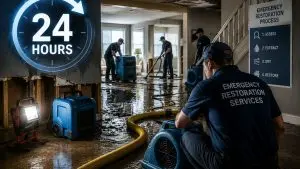

The first day after a fire, flood, or storm strikes your property is the most critical window for limiting damage and setting the stage for a full recovery. Water spreads, smoke residue sets in, and structural materials begin to weaken with every passing hour. That’s why emergency restoration services are built around speed: the faster a certified team responds, the more of your property, and your budget, can be saved.
Rapid action in those first 24 hours does more than just clean up a mess. It stabilizes the property, prevents secondary damage like mold growth or structural failure, and creates a clear, documented record that supports the insurance claims process. Here’s exactly what happens hour by hour when you call in professional help.
The First Hour: Emergency Response
The moment a disaster strikes, the clock starts ticking. What happens in this first hour sets the tone for the entire restoration process.
Initial Phone Consultation
A trained representative gathers key details about the damage, including its cause, severity, and any immediate safety concerns, so the right team and equipment can be dispatched without delay.
Dispatching Restoration Professionals
With 24/7 restoration services, a certified crew is sent to the property right away, prepared with the equipment needed to begin mitigation as soon as they arrive.
Immediate Safety Assessment
Before any work begins, technicians evaluate the property for hazards such as structural instability, electrical risks, or contamination, ensuring the space is safe to enter and work in.
Hours 1 to 6: Damage Assessment and Stabilization
Once the property is secured, the focus shifts to understanding the full scope of the damage and taking steps to prevent it from worsening.
Property Inspection
Technicians conduct a thorough walk-through, documenting affected areas, materials, and belongings to build an accurate picture of what needs to be addressed.
Moisture Mapping or Fire Damage Evaluation
For water-related incidents, specialized tools identify how far moisture has traveled, including into walls and subfloors. For fire incidents, technicians assess the extent of smoke, soot, and structural damage to guide the fire damage restoration plan.
Emergency Board-Up or Tarping (if needed)
If the property has broken windows, damaged doors, or a compromised roof, crews install temporary board-ups or tarps to protect the interior from weather, pests, and unauthorized entry.
Hours 6 to 12: Mitigation Begins
With the damage assessed, the team moves into active mitigation to stop further deterioration and begin the restoration process.
Water Extraction
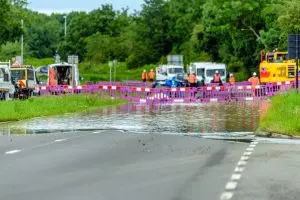
Standing water is removed using industrial-grade pumps and vacuums, a critical first step in any water damage restoration effort to prevent further absorption into flooring and walls.
Smoke and Soot Removal
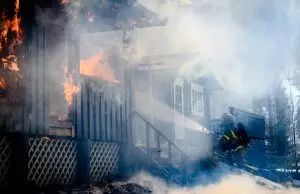
For fire-related damage, technicians begin removing soot and smoke residue from surfaces to prevent staining and lingering odors from setting in permanently.
Biohazard or Sewage Containment
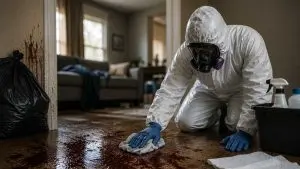
If the incident involves contaminated water or biological material, the affected area is contained immediately to prevent cross-contamination throughout the property.
Structural Drying
Industrial air movers and drying equipment are positioned strategically to begin removing moisture from walls, flooring, and other structural components.
Hours 12 to 24: Preventing Secondary Damage
As the first day comes to a close, the priority shifts to protecting the property from damage that can develop after the initial event.
Dehumidification
Commercial dehumidifiers work alongside air movers to pull remaining moisture from the air and materials, reducing the risk of warping, swelling, and mold growth.
Sanitization and Disinfection
Affected areas are cleaned and disinfected to eliminate bacteria, contaminants, and odors, creating a safe environment for continued restoration work.
Mold Prevention
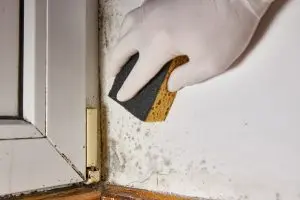
Because mold can begin developing within 24 to 48 hours in damp conditions, technicians apply antimicrobial treatments to vulnerable areas as a preventive measure.
Equipment Monitoring
Drying equipment is checked and adjusted throughout the day to ensure moisture levels are dropping consistently and the drying process stays on track.
What You Can Do Before the Restoration Team Arrives
The actions you take immediately after discovering property damage can make a meaningful difference in protecting your home and ensuring a smoother restoration process. While it’s important to leave the cleanup to trained professionals, there are several safe steps you can take before the restoration team arrives.
| Recommended Action | Why It Matters |
| Put Safety First | If your property has suffered significant fire damage, structural instability, electrical hazards, or contaminated water, leave the area immediately and wait for professionals to determine when it is safe to re-enter. |
| Shut Off Utilities (If Safe) | Turn off the main water supply to stop active leaks, or disconnect electricity if standing water is present and you can safely access the breaker panel. Never enter flooded areas where electrical hazards may exist. |
| Document the Damage | Take clear photos and videos of affected rooms, damaged belongings, and visible structural damage before cleanup begins. Thorough documentation can help support your insurance claim and simplify the claims process. |
| Protect Undamaged Belongings | If it can be done safely, move furniture, electronics, important documents, and other valuables away from the affected area to prevent additional damage while waiting for restoration professionals. |
| Avoid DIY Restoration | Household fans, heaters, and shop vacuums are not designed for large-scale property damage and may fail to remove hidden moisture. Professional restoration equipment is essential for thoroughly drying the property and reducing the risk of mold growth and secondary damage. |
Taking these precautions can help limit additional damage while ensuring the restoration team can begin mitigation as quickly and efficiently as possible. Once professionals arrive, they’ll perform a comprehensive assessment, begin emergency mitigation, and develop a restoration plan tailored to your property’s specific needs.
How Elite Restorers Simplifies the Recovery Process
Recovering from property damage is stressful enough without having to manage every detail alone. Elite Restorers are built to take that burden off your shoulders from the very first call for emergency restoration services.
1. Certified Restoration Specialists
Every technician is trained and certified in emergency property restoration , ensuring every project is completed according to industry standards and best practices. Our experienced team responds quickly, assesses the damage accurately, and delivers safe, effective restoration solutions for your property.
2. Advanced Equipment
Elite Restorers uses industrial-grade water extraction systems, commercial drying equipment, moisture detection tools, and HEPA air scrubbers to restore properties efficiently. This advanced technology helps speed up drying, uncover hidden moisture, and reduce the risk of secondary damage such as mold growth.
3. Insurance Claim Assistance
We help simplify the insurance claims process by providing detailed documentation, photos, and moisture reports while communicating directly with your insurance provider when needed. Our goal is to reduce paperwork and make your recovery as smooth and stress-free as possible.
4. Complete Restoration Solutions
From emergency mitigation and water extraction to structural drying, repairs, and reconstruction, Elite Restorers manages every stage of the restoration process. Having one experienced team handle your project ensures a seamless recovery and consistent quality from start to finish.
Frequently Asked Questions
How soon should restoration begin?
Restoration should begin as soon as possible, ideally within hours of the damage occurring, to prevent water, smoke, or contamination from causing further harm to the property.
Can I remain in my home?
In many cases, yes, though this depends on the severity of the damage and whether any safety hazards are present. A technician can assess the situation and advise you directly.
What should I do before help arrives?
If it’s safe to do so, shut off the water or power source if relevant, avoid the affected area, and take photos of the damage for documentation before restoration professionals arrive.
Will my insurance cover emergency mitigation?
Most homeowners’ and commercial property policies cover emergency mitigation services, particularly when prompt action is taken to prevent further damage. Confirm the specifics of your coverage with your provider.
Fast Action For Emergency Restoration Services Makes All the Difference
The first 24 hours after property damage determine how much can be saved and how quickly life can return to normal. Elite Restorers offers rapid, 24/7 emergency response and comprehensive restoration solutions designed to protect your property every step of the way. If disaster strikes, contact Elite Restorers immediately for a fast, professional response you can count on.