

Littleton may have a relatively dry Front Range climate, but that does not mean local homes are immune to moisture problems or mold.
Summer thunderstorms, basement flooding, spring snowmelt, plumbing leaks, sump pump failures, and water that remains hidden behind walls or beneath flooring can all introduce enough moisture for mold to develop.
The biggest concern is often not the water you can see. Materials may appear dry on the surface while moisture remains trapped inside drywall, carpet padding, insulation, flooring, or other areas of the home.
If you’ve recently experienced water damage, understanding the warning signs of mold and when to consider professional mold remediation in Littleton, CO can help you address the problem before it becomes more extensive.
Why Mold Can Develop After Water Damage
Mold spores naturally exist throughout indoor and outdoor environments. Their presence alone does not necessarily mean there is a mold problem.
Moisture is what changes the situation.
When mold spores settle on damp materials and the conditions support growth, mold can begin developing. Porous building materials such as drywall, wood, carpet, insulation, and other organic materials can provide an environment where growth occurs when moisture remains present.
This is why properly drying a home after water intrusion is so important.
Removing standing water is only one part of the process. Moisture can remain underneath flooring, inside wall cavities, behind baseboards, or within other building materials after surfaces appear dry.
For Littleton homeowners with finished basements, older sump pump systems, or properties where water has entered during a summer storm, hidden moisture can be particularly easy to overlook.
Common Signs of Mold in Your Home
Mold does not always appear as an obvious dark patch on a wall. Some problems are easy to identify, while others remain hidden until homeowners notice secondary warning signs.
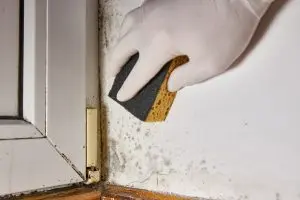
Visible Mold Growth
Visible growth can appear in different colours and textures depending on the conditions and materials involved.
Homeowners may notice spotting or discolouration around:
- Drywall
- Baseboards
- Wood trim
- Ceilings
- Cabinets
- Carpet edges
- Areas previously affected by water
Visible growth may begin in a relatively small area but can indicate a larger moisture problem that needs to be addressed.
Persistent Musty Odors
A musty or earthy smell is another common reason homeowners begin investigating for mold.
If an odor remains after normal cleaning and ventilation — particularly in a basement, bathroom, closet, or room that previously experienced water damage — hidden moisture or mold growth may be present.
Mold Behind Walls or Under Flooring
Hidden mold can be more difficult to identify.
Water from plumbing leaks, basement flooding, roof leaks, or other sources can travel behind walls and beneath flooring. Even after the visible water disappears, materials inside these areas may remain damp.
Warning signs can include persistent odors, staining, peeling paint, swollen baseboards, deteriorating drywall, or other changes near an area that previously became wet.
What to Do If You Find Mold
If you discover visible mold or suspect growth following water damage, avoid immediately scrubbing or disturbing the affected materials.
Avoid Disturbing Large Areas of Mold
Scrubbing, brushing, cutting, or removing mold-contaminated materials can release particles into the surrounding environment.
Larger or more complicated mold problems may require containment and specialized procedures to prevent contamination from spreading into unaffected areas during removal.
Be Careful With Air Movement
Avoid directing household fans across visible mold.
Moving air directly over contaminated materials can potentially spread particles to other areas rather than solving the underlying problem.
Keep the Area Isolated
Limit unnecessary traffic through the affected space, particularly when significant visible growth is present.
Children and pets should also be kept away from the area until the situation has been properly evaluated.
Don’t Paint Over Mold
Painting or caulking over mold does not address the underlying growth or moisture problem.
The source of the moisture needs to be identified and corrected before cosmetic repairs are made.
Find the Moisture Source
Successful mold remediation requires more than removing visible growth.
The underlying moisture source must also be addressed. Depending on the property, that could include:
- Plumbing leaks
- Roof leaks
- Foundation water intrusion
- Failed sump pumps
- Poor drainage or grading
- Basement flooding
- Condensation
- Hidden moisture from a previous water loss
Without correcting the moisture problem, mold may return even after affected surfaces have been cleaned.
When to Consider Professional Mold Remediation
Small, isolated areas may sometimes be manageable with appropriate DIY precautions, depending on the circumstances.
Larger areas, recurring mold, hidden growth, contaminated porous materials, and mold associated with significant water damage can be much more complicated.
Professional mold remediation in Littleton, CO may be appropriate when:
- Mold covers a significant area
- Growth returns after previous cleaning
- There is a persistent musty odor but no obvious source
- Mold may be behind walls or underneath flooring
- Drywall, insulation, carpeting, or other porous materials are affected
- The problem followed significant flooding or water damage
- You cannot identify or correct the moisture source
- Multiple areas of the home appear to be affected
The goal of professional remediation is not simply to make visible mold disappear. It is to control the affected area, remove or clean contaminated materials appropriately, address moisture conditions, and help prevent contamination from spreading during the work.
What Professional Mold Remediation Involves
The exact mold remediation process depends on the size and location of the affected area, the materials involved, and the moisture conditions inside the property.
However, professional remediation commonly involves several key stages.
Inspection and Moisture Assessment
Before removing materials, the affected area needs to be evaluated.
This includes identifying visible growth, looking for signs of hidden moisture, determining which materials have been affected, and investigating the source of the water or humidity that allowed the problem to develop.
Moisture-detection equipment may be used to evaluate building materials that appear dry from the surface.
Containment
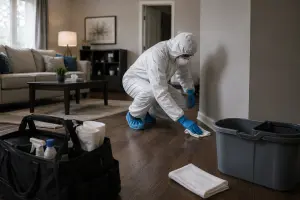
Containment helps separate the affected work area from unaffected portions of the home.
Depending on the circumstances, barriers and controlled airflow may be used to reduce the movement of airborne particles while contaminated materials are being disturbed or removed.
Air Filtration
HEPA filtration equipment may be used during remediation to capture airborne particles generated during the work.
Air management and filtration are particularly important when removing contaminated drywall, insulation, flooring, or other materials that must be disturbed.
Removal of Affected Materials
Some materials can be cleaned, while others may need to be removed.
Nonporous or semi-porous materials may sometimes be cleaned depending on their condition. Heavily contaminated porous materials such as drywall, insulation, carpet padding, or other absorbent materials may need to be removed and replaced.
The appropriate approach depends on the extent of contamination and the condition of the material.
Cleaning and Remediation
Remaining surfaces in the affected area are cleaned using methods appropriate for the materials and conditions present.
The objective is to remove contamination rather than simply conceal staining or cover odors.
Drying and Moisture Control
Addressing mold without correcting the moisture problem leaves the conditions that allowed it to develop in the first place.
Affected areas should be properly dried, and leaks, drainage problems, water intrusion, or other moisture sources should be corrected as part of the overall recovery process.
Mold Remediation vs. Mold Removal
Homeowners sometimes search for “mold removal” expecting that every mold spore can simply be eliminated from a property.
Mold spores naturally exist in indoor and outdoor environments, so the objective of professional remediation is not to create a completely mold-free environment.
Instead, mold remediation focuses on addressing abnormal mold growth and the conditions contributing to it.
That can include containing affected areas, removing contaminated materials when necessary, cleaning salvageable materials, controlling airborne particles during the work, drying affected areas, and correcting the underlying moisture source.
This distinction is important because simply cleaning visible mold without addressing moisture may only provide a temporary cosmetic improvement.
Do You Need Mold Testing Before Remediation?
Not every mold situation automatically requires testing before remediation.
When mold is clearly visible and the affected area can be identified, the need for remediation may already be apparent.
Testing can sometimes be useful when there is a persistent musty odor or other reason to suspect hidden mold but no visible growth, when the source of a problem is unclear, or when documentation is needed for a particular situation.
Whether testing is appropriate depends on the individual circumstances of the property.
A professional assessment can help determine whether additional investigation or testing would provide useful information before remediation begins.
Why DIY Mold Cleanup Can Be Risky
DIY cleanup can seem straightforward when mold appears limited to the surface.
The difficulty is determining what is happening underneath or behind that surface.
Cleaning visible growth without identifying hidden moisture can allow the same problem to return. Disturbing contaminated drywall, carpet, insulation, or other materials without appropriate containment can also spread particles beyond the original affected area.
Another common misconception is that bleach automatically solves every mold problem.
Cleaning methods need to be appropriate for the material involved, and no cleaning product can compensate for an unresolved moisture source.
For anything beyond a small, isolated area — particularly after significant water intrusion — professional assessment may provide a clearer picture of how far the problem extends.
Mold Remediation After Basement Water Damage
Basements deserve particular attention in Littleton homes because they can contain several conditions that allow moisture to remain unnoticed.
Finished basements may have carpet installed over concrete, drywall covering foundation walls, enclosed utility areas, and other spaces where water can become trapped.
After basement flooding or water intrusion, homeowners may remove the visible water and assume the area has dried.
However, carpet padding, baseboards, drywall, insulation, subflooring, and wall cavities may remain damp after exposed surfaces feel dry.
If a basement develops a musty odor or visible growth following a water event, hidden moisture should be investigated rather than simply cleaning the visible area.
Documenting Mold Damage for Insurance
Insurance coverage for mold remediation varies significantly depending on the policy and what caused the mold to develop.
Some policies may provide limited coverage when mold results directly from a covered water loss, while damage associated with long-term leaks, ongoing moisture, or maintenance issues may be handled differently.
Because coverage varies, homeowners should contact their insurance provider directly for information about their specific policy.
If mold develops following a water event, documentation can still be valuable.
Take photographs of affected areas before significant remediation begins when it is safe to do so. Keep records of the original water damage, repairs, communications with your insurer, and professional remediation work performed.
A restoration company can document the condition of the property and the work completed, while the insurance provider ultimately determines whether coverage applies.
How Littleton Homeowners Can Help Prevent Mold
Preventing mold largely comes down to controlling moisture and responding quickly when water enters the home.
Check Your Sump Pump
Test your sump pump before Colorado’s summer storm season and periodically throughout the year.
A failed or overwhelmed sump pump can allow basement water to accumulate quickly during heavy rainfall.
Maintain Gutters and Downspouts
Keep gutters clear and make sure downspouts direct water away from the foundation.
Poor exterior drainage can contribute to basement moisture even when there is no obvious flood.
Monitor Basement Moisture
Pay attention to damp or musty odors, condensation, and other signs of excess moisture in basements and crawl spaces.
Finished basements can sometimes conceal moisture behind walls or beneath flooring, making early warning signs particularly important.
Respond Quickly to Leaks
Address plumbing leaks, appliance failures, roof leaks, and other water problems as soon as possible.
The sooner wet materials are identified and properly dried, the less opportunity there is for prolonged moisture to contribute to additional problems.
Check Your Home After Significant Water Damage
After basement flooding or another substantial water loss, consider whether hidden areas may still contain moisture even after visible water has been removed.
Thorough drying and moisture monitoring can help identify areas that might otherwise remain damp unnoticed.
Mold Remediation in Littleton, CO
Mold problems are often connected to moisture problems. Cleaning what you can see without addressing what caused it may leave homeowners dealing with the same issue again.
Elite Restorers provides mold remediation in Littleton, CO for homeowners dealing with visible mold, hidden growth, musty odors, and mold concerns following water damage.
Because Elite Restorers also handles water damage restoration, the team can evaluate both the mold contamination and the moisture conditions that contributed to it.
If you’ve discovered mold in your Littleton home or are concerned about hidden growth following a leak, flood, or other water intrusion, contact Elite Restorers to have the affected area assessed and determine the appropriate next steps.
Frequently Asked Questions About Mold Remediation
How do I know if I need mold remediation?
Professional mold remediation may be appropriate when mold affects a substantial area, repeatedly returns after cleaning, may be hidden behind walls or flooring, or has affected porous building materials.
A persistent musty odor following water damage can also be a reason to investigate further even when visible mold is not present.
Can I clean mold myself?
Small, isolated areas may sometimes be manageable with appropriate precautions. Larger areas, hidden contamination, recurring growth, or mold affecting porous materials can require a more controlled remediation process.
If you are unsure about the extent of the problem, professional assessment can help determine an appropriate approach.
Does mold always need to be tested before remediation?
No. When visible mold is clearly present, testing may not always be necessary before remediation begins.
Testing may be more useful when mold is suspected but cannot be located, when the source of an odor is unclear, or when specific documentation is required.
Can mold come back after remediation?
Mold can return if the underlying moisture problem remains.
Successful remediation therefore involves more than cleaning visible growth. Leaks, water intrusion, humidity problems, or other moisture sources should also be corrected to reduce the likelihood of recurrence.
Will homeowners insurance cover mold remediation?
Coverage varies by policy and by the cause of the mold.
Mold resulting directly from certain covered water losses may be handled differently from mold associated with long-term leaks, ongoing moisture, or maintenance problems.
Homeowners should contact their insurance provider directly to confirm what their individual policy covers.