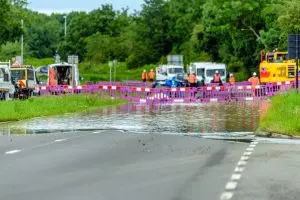


If you live in Littleton, your risk of water damage depends heavily on your proximity to major drainageways like the South Platte River or specific tributary gulches that cut through the city. While the region is technically semi-arid, intense spring thunderstorms and rapid snowmelt frequently overwhelm local infrastructure, leading to flash flooding in areas like Old Littleton and Southwest Littleton. Neighborhoods near Little’s Creek or Slaughterhouse Gulch are statistically more prone to basement flooding, especially during the “flood season” which runs from mid-April to mid-September. Homeowners in these zones often face high-cost water damage restoration in Littleton due to the speed at which storm runoff can penetrate foundations and saturate structural materials.
What areas in Littleton are in a high-risk flood zone?
The areas in Littleton with the highest risk of flooding are those located within the 100-year floodplain of the South Platte River and its primary tributaries, including Lee Gulch, Jackass Gulch, and Big Dry Creek. According to the City of Littleton Public Works Department, these zones are designated as “FP-O” (Floodplain Overlay) on local zoning maps. Residents near Downtown Littleton and businesses along Santa Fe Drive are particularly vulnerable because these areas sit at lower elevations where runoff naturally accumulates. Properties in the 80120 and 80123 zip codes, especially those bordering natural drainageways, carry a higher probability of experiencing significant water intrusion during heavy rainfall events.
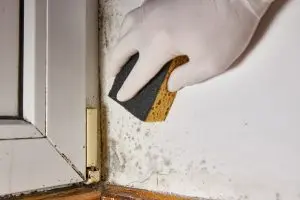
If your property is situated near these high-risk zones, it is essential to understand that water damage restoration in Littleton is a complex process that involves more than just drying carpets. It requires specialized equipment to extract water from porous materials and prevent the growth of mold, which can begin within 24 hours of exposure.
Understanding the Flood Risk Areas Littleton CO Homeowners Should Know
Littleton is unique because its flood risk is not just about the “Big River” (the South Platte); it is about the “Gulches.” These smaller streams are often dry most of the year but can become raging torrents in minutes during a Colorado cloudburst.
The South Platte River Corridor
The most significant floodplain in the city runs parallel to Santa Fe Drive. While South Platte Park and the Carson Nature Center act as natural buffers to absorb excess water, the surrounding commercial and residential areas remain at risk. Areas near the Hudson Gardens often see rising water levels that can affect nearby structures, particularly those with older foundations that lack modern waterproofing.
The Tributary “Gulch” System
Several key gulches run through residential neighborhoods, creating localized flood zones. If you live in or near these areas, your risk of basement water damage Littleton Colorado is considerably higher:
- Lee Gulch: Cuts through the heart of the city, affecting properties near Broadway and Ashbaugh Park.
- Slaughterhouse Gulch: Known for rapid flash flooding that can impact homes in the older residential sections of Central Littleton.
- Little’s Creek: This area is currently undergoing FEMA revisions because of its history of overflowing into backyard spaces and basement window wells.
Aging Infrastructure and Storm Sewer Limits
Beyond natural geography, some areas face risk due to the city’s aging stormwater systems. Recent “record-breaking” rainfall has caused corrugated metal pipe collapses in areas like East Mineral Avenue and near Jackass Hill. When these pipes fail, water has nowhere to go but into the nearest low-lying basement. The best way to protect your property is to contact us as soon as you spot signs of moisture to evaluate your structural integrity.
Common Causes of Basement Water Damage Littleton Colorado
Basement flooding in Littleton is rarely just about a river overflowing. For many residents in neighborhoods like Ken Caryl or Columbine Valley, the issues are often more localized and preventable.
Sump Pump Failures
In newer developments like Sterling Ranch or Chatfield Bluffs, many homes rely on sump pumps to manage groundwater. During a heavy storm, if the power goes out or the pump is overwhelmed, the basement can fill with several inches of water in under an hour. This often results in Category 3 “black water” damage if the water backs up through floor drains.
Hydrostatic Pressure in the Foothills
Homes nestled closer to the foothills often deal with hydrostatic pressure. As snow melts off the mountains and saturates the soil, water is pushed through tiny cracks in the foundation. You might notice “efflorescence” (a white, powdery substance) on your basement walls, which is a precursor to a major leak.
Storm Damage and Roof Failures
While we often focus on ground-level water, storm damage restoration Littleton CO frequently involves roof leaks. Hail can bruise or crack shingles, allowing water from heavy rains to seep into the attic. Once water enters the attic, it can travel down through the walls, damaging insulation and drywall across multiple floors before you even realize there is a problem.
Local Weather Patterns and Storm Damage Restoration Littleton CO
The climate in the Denver Metro area is notorious for “microbursts”, small, intense storms that can drop two inches of rain on one neighborhood while leaving the next one dry. This erratic weather is the primary driver of storm damage in the region.
| Neighborhood / Area | Primary Risk Factor | Flood Risk Level |
| Downtown Littleton | River Overflow / Old Pipes | High |
| Ken Caryl / Valley | Snowmelt / Sump Failure | Moderate |
| South Santa Fe Dr | Flash Floods / Industrial Runoff | High |
| Highlands Ranch Border | Storm Sewer Capacity | Low-Moderate |
| Near Clement Park | Surface Runoff / Ponding | Moderate |
For those living near landmarks like the Littleton Museum or Ketring Park, the risk is often tied to surface water ponding. If your yard is not properly graded, water from a sudden storm will flow toward your foundation rather than away from it. This is a leading cause of the need for water damage restoration in Littleton among homeowners in established, mature neighborhoods.
How to Protect Your Home from Littleton Water Issues
Prevention is always more cost-effective than restoration. Given our local geography and weather, there are several steps you can take to mitigate your risk:
- Clear Your Gutters: Ensure that snowmelt can flow freely off your roof and away from your foundation.
- Install a Battery Backup for Sump Pumps: This ensures your pump continues to work even if a storm knocks out the local power grid.
- Check Your Foundation Grading: The ground should slope away from your home at a rate of at least one inch per foot for the first six feet.
- Inspect Window Wells: Ensure your basement window wells have proper drainage and covers to prevent them from filling up like a fish tank during a downpour.
If you do experience an issue, remember that “DIY drying” is rarely sufficient for the porous materials found in modern homes. Water can hide behind baseboards and inside wall cavities, leading to structural rot that is invisible to the naked eye.
Frequently Asked Questions (PAA)
Is Littleton in a flood zone?
Portions of Littleton are located within FEMA-designated Special Flood Hazard Areas (SFHAs), particularly those near the South Platte River and major gulches like Lee Gulch. While many residential areas are in “Zone X” (low to moderate risk), the city maintains strict floodplain management due to the history of flash flooding in the region.
Does homeowners insurance cover flood damage in Littleton?
Standard homeowners insurance usually covers internal issues like burst pipes or appliance leaks, but it typically excludes “rising water” or external flooding. If you live near a drainageway like Big Dry Creek, you may need a separate flood insurance policy through the National Flood Insurance Program (NFIP).
Why do basements flood in Littleton during the summer?
Summer floods are usually caused by intense, short-duration thunderstorms. These storms can produce more rain than the soil or storm sewers can absorb, leading to “overland flow” where water enters basements through window wells or foundation cracks.
How do I know if my property is at risk?
You can check the City of Littleton’s interactive floodplain map or look for the “FP-O” designation on your property’s zoning. Additionally, look for signs of previous water issues, such as water marks on basement walls or musty odors in lower levels.
What is the most common cause of water damage in Littleton?
While natural flooding is a concern, the most common causes are actually frozen pipes in the winter and sump pump failures during the spring rain season. Both scenarios require immediate professional intervention to prevent permanent structural damage.
Conclusion
Understanding the specific risks associated with your neighborhood is the first step in protecting your investment. Whether you are dealing with the aftermath of a flash flood near Slaughterhouse Gulch or a hidden leak in a Ken Caryl basement, acting quickly is the only way to minimize costs. Water damage restoration in Littleton is a technical process that requires a deep understanding of local building codes and the unique moisture challenges of the Colorado climate.
At Elite Restorers, we have spent years helping our neighbors navigate these stressful situations. We are more than just a cleanup crew; we are a dedicated local partner committed to restoring safety and comfort to your home. We understand the nuances of Littleton’s geography and the specific types of damage common in our community. If you suspect water has compromised your home, we provide the authoritative, high-quality care you need to get back to normal.