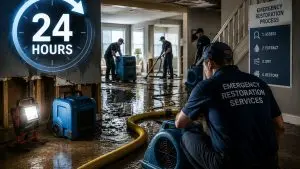

When a traumatic event, sewage backup, or exposure to hazardous waste occurs on a property, every hour that passes without proper cleanup increases the risk to anyone nearby. Emergency biohazard cleanup isn’t a task that can wait for a convenient time. It’s a time-sensitive process that protects health, prevents further property damage, and ensures compliance with legal and safety standards.
A biohazard incident includes any situation where blood, bodily fluids, sewage, or other hazardous materials contaminate a property. These substances can carry bloodborne pathogens, bacteria, and viruses capable of causing serious illness. Beyond the health risks, delayed cleanup can lead to permanent staining, structural damage, and even legal liability for property owners who fail to address the situation appropriately.
This is why certified professionals should be called in immediately. Trained biohazard remediation teams have the equipment, training, and protocols to safely contain, clean, and disinfect affected areas, something that simply cannot be replicated with household cleaning supplies. Understanding what qualifies as a biohazard emergency, and why speed matters so much, can help property owners make the right call when it matters most.
What Is Considered a Biohazard Emergency?
Not every mess qualifies as a biohazard, but many situations that seem manageable on the surface actually require specialized handling. Recognizing these scenarios early is the first step toward protecting everyone involved.
1. Trauma and Crime Scene Incidents
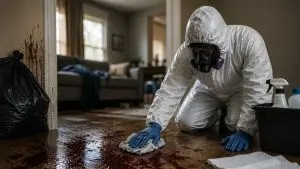
Accidents, violent crimes, and unattended deaths often leave behind biological material that poses serious health risks. These scenes require careful, discreet handling by professionals trained in trauma scene cleanup, not only to restore the property but to do so with sensitivity toward everyone affected.
2. Blood and Bodily Fluid Contamination
Any incident involving blood or bodily fluids, whether from an injury, medical emergency, or other event, introduces the risk of bloodborne pathogens like Hepatitis B, Hepatitis C, and HIV. Blood cleanup must be handled with strict protocols to eliminate contamination risk entirely.
3. Sewage Backups
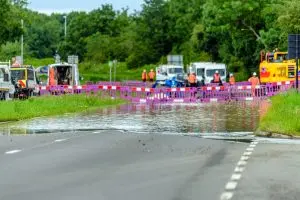
Sewage contains a dangerous mix of bacteria, viruses, and parasites. When a backup occurs, it can contaminate flooring, walls, and HVAC systems quickly, making it essential to treat the area as a biohazard rather than a standard water damage issue.
4. Hazardous Waste Exposure
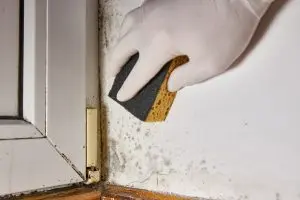
Chemical spills, mold-related hazardous waste, and other toxic exposures can compromise indoor air quality and pose long-term health risks if not properly contained and removed.
The Risks of Delaying Biohazard Cleanup
Waiting even a short time to address a biohazard situation can turn a manageable problem into a much larger, more expensive, and more dangerous one.
1. Exposure to Harmful Pathogens
The longer contaminated material sits, the greater the risk that pathogens will spread through contact, airborne particles, or absorption into porous surfaces like carpet, drywall, and wood.
2. Cross-Contamination Throughout the Property
Foot traffic, airflow, and even pets can unknowingly spread contaminants from the original site to other areas of the property, turning a contained incident into a widespread hazard.
3. Lingering Odors and Indoor Air Quality Issues
Biological material produces odors that worsen over time and can be extremely difficult to remove once they’ve penetrated flooring, insulation, or HVAC systems. Delayed cleanup often means a more intensive, costlier deodorization process later.
4. Increased Property Damage
Bodily fluids, sewage, and other hazardous substances can cause permanent staining and structural damage to floors, walls, and subflooring the longer they remain untreated, often requiring materials to be replaced entirely rather than restored.
Why DIY Biohazard Cleanup Is Dangerous
It might be tempting to handle a biohazard situation independently, but doing so puts both health and safety at serious risk.
1. Lack of Proper PPE
Without medical-grade personal protective equipment, including respirators, gloves, and full-body protection, individuals attempting cleanup are directly exposed to pathogens and toxic substances.
2. Improper Disposal of Hazardous Materials
Biohazardous waste must be disposed of according to strict regulations. Household trash disposal is not only unsafe but can result in legal penalties for improper hazardous waste handling.
3. Incomplete Disinfection
Standard cleaning products aren’t designed to eliminate the pathogens found in blood, sewage, or other biohazards. Without hospital-grade disinfectants and proper technique, contamination can persist even after a visible cleanup, leaving lingering health risks behind.
What Professional Biohazard Cleanup Includes
Professional biohazard cleanup follows a structured process designed to eliminate risk completely and restore the property to a safe condition.
1. Site Assessment and Hazard Containment
Technicians begin by assessing the full scope of contamination and containing the affected area to prevent any further spread.
2. Safe Removal of Contaminated Materials
Contaminated materials, including flooring, drywall, or furniture that cannot be salvaged, are safely removed and disposed of in compliance with hazardous waste removal regulations.
3. Hospital-Grade Cleaning and Disinfection
Every surface is cleaned and disinfected using EPA-registered, hospital-grade products capable of neutralizing bloodborne pathogens and other harmful microorganisms.
4. Odor Removal and Air Purification
Specialized deodorization techniques and air purification equipment eliminate lingering odors at the source, rather than simply masking them.
5. Final Safety Verification
Before the job is considered complete, technicians perform a final inspection to confirm the property is fully safe and free of biohazard contamination.
Why Fast Emergency Biohazard Cleanup Response Matters
Choosing emergency restoration services that respond quickly makes a measurable difference in the outcome of a biohazard incident.
- Reduces health risks by minimizing exposure time to harmful pathogens
- Prevents contamination from spreading to unaffected areas of the property
- Helps restore the property sooner, reducing overall disruption and cost
- Supports insurance documentation with detailed, professional records of the incident and remediation process
Frequently Asked Questions
How quickly should biohazard cleanup begin?
Biohazard cleanup should begin as soon as possible, ideally within hours of the incident, to reduce health risks and prevent contamination from spreading further into the property.
Is biohazard cleanup covered by insurance?
Many homeowners’ and property insurance policies cover biohazard cleanup, particularly for incidents like trauma, crime scenes, or sewage backups. Coverage varies by policy, so it’s best to confirm details with your provider.
Can I stay in the property during cleanup?
This depends on the severity and location of the contamination. In many cases, affected areas are contained and sealed off, but a technician can advise whether temporary relocation is necessary for safety.
How long does professional cleanup take?
Cleanup time varies based on the scope of contamination, but most biohazard remediation projects are completed within one to a few days.
Don’t Wait, Call the Professionals Emergency Biohazard Cleanup today!
Biohazard incidents require immediate, expert attention, not guesswork or delay. Elite Restorers provides discreet, certified, and 24/7 emergency biohazard cleanup services to protect your health, your property, and your peace of mind.
If you’re facing a biohazard emergency, contact Elite Restorers now for a fast, professional response you can trust.